
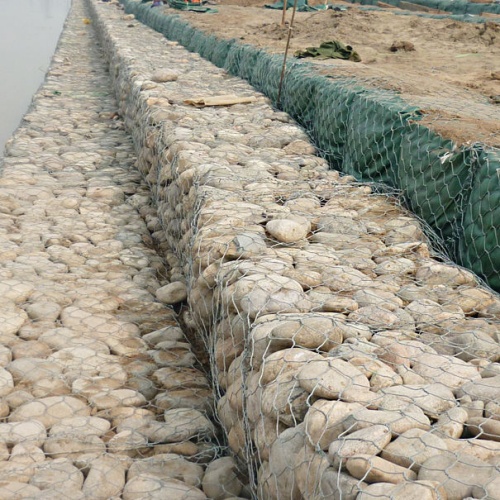
Gabion baskets, wire mesh containers filled with stone or rock, are increasingly used in green infrastructure to combine structural stability with ecological functions. Vegetation integration transforms these traditionally inert structures into living elements that support plant growth, enhance biodiversity, and improve landscape aesthetics. This synergy expands gabions’ role from erosion control to habitat creation.
Successful vegetation integration begins with selecting appropriate plant species. Grasses, wildflowers, and low shrubs with fibrous root systems thrive in gabion fills, binding small stones and preventing internal migration. Native perennials are favored for their adaptation to local climate and soil, reducing irrigation and maintenance. Plants tolerant of well-drained, alkaline conditions typical of rocky fills are ideal candidates.
Structural modifications may be needed to accommodate root growth. Using wider mesh apertures or inserting geotextile separators allows roots to penetrate deeper while keeping stone fill stable. Gradual filling techniques create terraces or pockets where soil accumulates, providing a medium for seed germination and seedling establishment. Drainage must be preserved to avoid waterlogging, which can drown roots and weaken the basket’s integrity.
Ecological benefits are manifold. Vegetated gabions stabilize slopes, filter runoff, and sequester carbon through plant biomass. They provide food and shelter for pollinators, birds, and small mammals, fostering urban and rural biodiversity. The merging of hard engineering and soft landscaping exemplifies sustainable design that responds to environmental challenges while creating visually engaging spaces.
Maintenance practices ensure long-term success. Initial watering and weed control establish plants, after which many species become self-sustaining. Periodic inspection of mesh for corrosion and replenishment of eroded stone maintains structural function. Integrating gabion baskets with vegetation merges resilience with greenery, demonstrating how intelligent design can unite civil engineering and ecological stewardship.
-
2026-03-13Blending structural utility with aesthetic innovation, the gabion basket bench transforms raw engineering into inviting outdoor furniture. By filling wire cages—typically made of galvanized or PVC-coated steel—with local stone, gravel, or recycled glass, designers create durable, permeab
-
2026-03-12Welded wire gabion represents a sophisticated earth retention and construction solution that combines the structural strength of steel wire with the aesthetic flexibility of natural stone fill, creating installations that are as beautiful as they are functional. Unlike traditional rock ret
-
2026-03-11Modern landscape design often seeks to blend structural utility with natural aesthetics, and gardens gabion baskets have emerged as a perfect medium for this fusion. These wire containers, filled with rocks, stones, or recycled materials, offer a versatile solution for building retaining w