
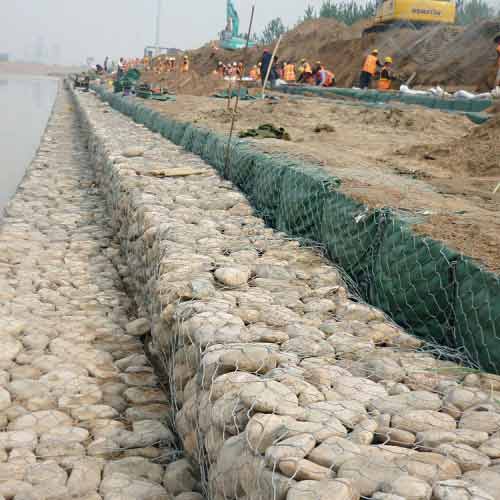
Gabions, essentially wire cages filled with rocks or stones, have evolved from simple erosion control structures into a staple of modern landscape and architectural design. Their aesthetic appeal, versatility, and structural strength have made them popular for retaining walls, seating areas, and even cladding for buildings. However, the longevity and stability of a gabion structure depend heavily on proper installation. Modern engineering techniques have refined the installation process, ensuring these heavy structures perform effectively in various applications.
The foundation of any successful gabion installation is proper site preparation and soil engineering. Unlike rigid concrete walls, gabions are flexible structures that settle into the ground over time. Therefore, the foundation must be leveled and compacted thoroughly to prevent uneven settling that could tilt the wall. In modern construction, a geotextile fabric is often placed between the soil and the gabion base. This fabric acts as a separator and filter, preventing the underlying soil from washing away while allowing water to drain, which is crucial for maintaining the structural integrity of the wall during heavy rains.
Selecting and filling the wire baskets is the next critical step. Modern gabions are typically made from heavily galvanized or PVC-coated steel wire to resist corrosion. The baskets must be assembled and braced internally with spiral binders or tie wires to prevent bulging when filled. The choice of stone fill is also an engineering consideration; stones should be hard, durable, and sized appropriately—typically larger than the mesh openings. To ensure stability, the stones are often hand-placed in a interlocking pattern rather than simply dumped in, which reduces internal voids and increases the density of the wall.
Tensioning and alignment are essential techniques that define the quality of a modern gabion installation. As the baskets are filled, they must be mechanically tightened and braced to ensure they remain plumb and true. This process often involves using a combination of internal bracing frames and external support until the unit is full and settled. Proper tensioning prevents the wire mesh from deforming under the massive weight of the stones. Furthermore, connecting individual gabion units together with lacing wire creates a monolithic structure that acts as a single gravity wall, greatly enhancing its resistance to lateral earth pressure.
In conclusion, modern gabion installation is a blend of careful planning, material science, and engineering precision. Techniques such as the use of geotextile filters, structural hand-packing of stones, and rigorous bracing ensure that gabion walls are not only visually striking but also structurally sound. As landscape and construction demands continue to evolve, these engineering methods allow gabions to provide durable, sustainable, and flexible solutions for retaining walls and decorative features, standing the test of time in both function and form.
-
2026-03-13Blending structural utility with aesthetic innovation, the gabion basket bench transforms raw engineering into inviting outdoor furniture. By filling wire cages—typically made of galvanized or PVC-coated steel—with local stone, gravel, or recycled glass, designers create durable, permeab
-
2026-03-12Welded wire gabion represents a sophisticated earth retention and construction solution that combines the structural strength of steel wire with the aesthetic flexibility of natural stone fill, creating installations that are as beautiful as they are functional. Unlike traditional rock ret
-
2026-03-11Modern landscape design often seeks to blend structural utility with natural aesthetics, and gardens gabion baskets have emerged as a perfect medium for this fusion. These wire containers, filled with rocks, stones, or recycled materials, offer a versatile solution for building retaining w