

The manufacturing process of gabion baskets begins with the meticulous selection of raw materials, primarily steel wire. The wire is typically made of low-carbon steel to ensure flexibility without sacrificing strength. This wire then undergoes a galvanization process, either through hot-dipping or electroplating, to apply a protective zinc coating that prevents rust and corrosion, which is crucial since the baskets are often used in outdoor civil engineering projects. For extra durability, especially in harsh environments, the wire may receive an additional PVC coating, providing a barrier against chemical corrosion and UV degradation.
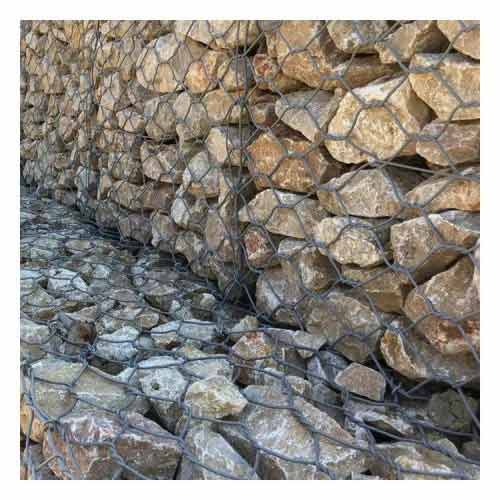
Once the wire is prepared and coated, it is fed into high-precision machinery to form the mesh. The most common weave for gabion baskets is the double-twisted hexagonal mesh, known for its strength and ability to withstand tension and settling without unraveling. The machines automatically weave the wire into panels of specific dimensions, and the edges are reinforced with thicker wires, often referred to as selvedge wires, to provide structural rigidity to the basket. These mesh panels are then cut to size, and the necessary components, such as spiral binders, lacing wire, or stiffeners, are prepared to hold the basket's shape during assembly.
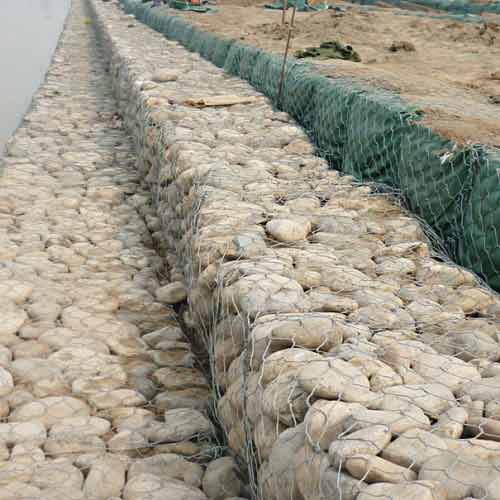
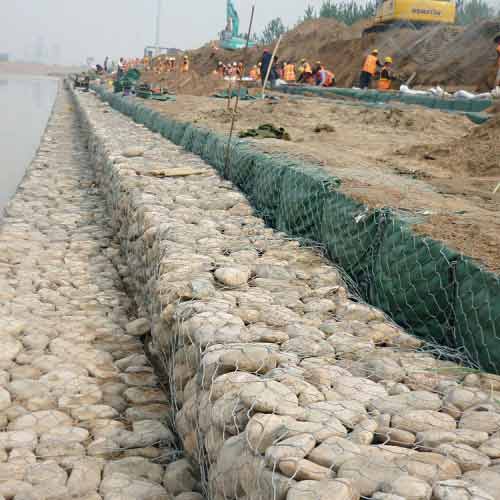
The final stage of manufacturing involves the assembly and packaging of the baskets for transport. While gabion baskets are often shipped as flat-packed mesh panels to reduce shipping costs, the manufacturing process ensures that all components fit together precisely. Quality control checks are performed to ensure the mesh apertures are uniform and the coating is free of defects. The baskets are then bundled efficiently, ready to be unfolded and filled with rocks or stones at the construction site. This systematic manufacturing process ensures that the gabion baskets are durable, easy to handle, and capable of forming stable, permeable retaining structures upon installation.
-
2026-03-13Blending structural utility with aesthetic innovation, the gabion basket bench transforms raw engineering into inviting outdoor furniture. By filling wire cages—typically made of galvanized or PVC-coated steel—with local stone, gravel, or recycled glass, designers create durable, permeab
-
2026-03-12Welded wire gabion represents a sophisticated earth retention and construction solution that combines the structural strength of steel wire with the aesthetic flexibility of natural stone fill, creating installations that are as beautiful as they are functional. Unlike traditional rock ret
-
2026-03-11Modern landscape design often seeks to blend structural utility with natural aesthetics, and gardens gabion baskets have emerged as a perfect medium for this fusion. These wire containers, filled with rocks, stones, or recycled materials, offer a versatile solution for building retaining w