

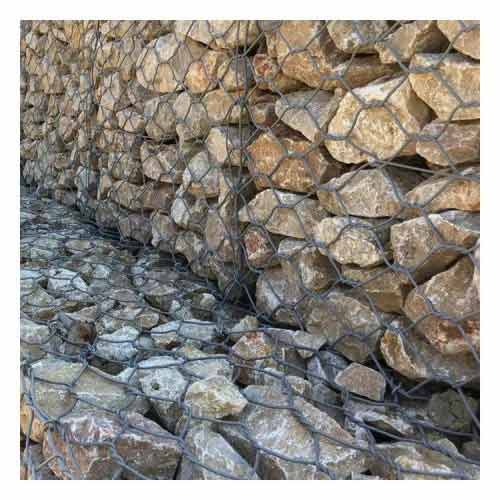
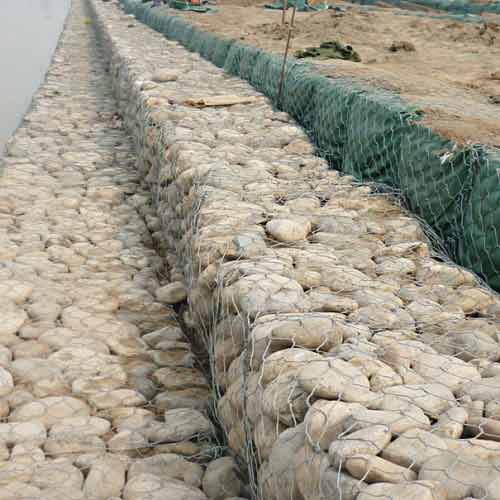
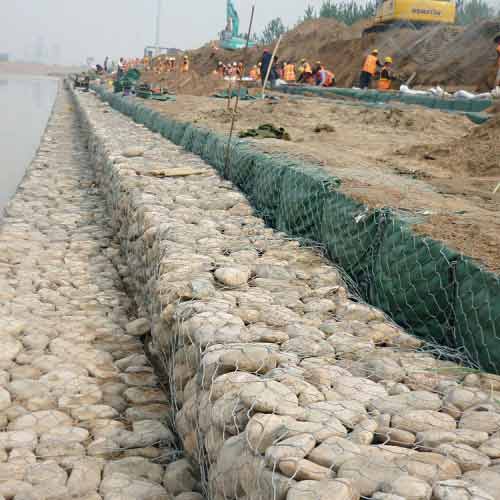
Gabion baskets—wire mesh containers filled with rock or other durable materials—have become increasingly popular in civil engineering, landscaping, and erosion control applications due to their effectiveness, relatively low environmental impact compared to concrete structures, and aesthetically pleasing appearance that integrates with natural landscapes. Understanding the complete environmental impact of gabion projects, from material extraction through construction and long-term performance, enables engineers, designers, and property owners to make informed decisions about gabion applications while identifying opportunities to minimize environmental footprint. When properly designed and constructed, gabion structures provide sustainable solutions that work with natural processes rather than against them, often enhancing environmental conditions in the surrounding area.
Material extraction and processing for gabion construction carries environmental implications that vary based on rock source, wire mesh production, and transportation distances. Locally sourced rock dramatically reduces transportation-related fuel consumption and emissions, while using recycled concrete or demolition rubble as fill material further reduces extraction impacts. Wire mesh production involves steel manufacturing, which is energy-intensive but highly recyclable, with gabion mesh typically containing significant recycled steel content. The galvanizing or protective coating applied to wire mesh carries production impacts similar to other galvanized steel products, though the protective coating extends mesh service life to match or exceed the structure's design life. Life cycle assessment studies comparing gabion walls to concrete alternatives consistently show lower environmental impacts for gabion construction, primarily due to reduced cement production requirements and the natural drainage characteristics of gabion structures.
Long-term environmental performance of gabion structures often provides positive ecological benefits that compound the advantages of their relatively low construction-phase impacts. The porous structure of gabion baskets allows water to flow through freely, maintaining natural groundwater patterns and preventing the hydrostatic pressure buildup that can cause failure in impermeable retaining walls. This permeability supports healthy watershed function while reducing the need for complex drainage systems that require additional materials and maintenance. The rough stone surfaces and interstitial spaces within gabion structures create habitat for mosses, lichons, and small invertebrates, eventually allowing vegetation to establish and further integrating the structure into the surrounding ecosystem. At end of service, gabion structures can be dismantled with minimal environmental impact, with the rock fill returned to natural cycles and the steel wire recycled for other applications.
-
2026-03-13Blending structural utility with aesthetic innovation, the gabion basket bench transforms raw engineering into inviting outdoor furniture. By filling wire cages—typically made of galvanized or PVC-coated steel—with local stone, gravel, or recycled glass, designers create durable, permeab
-
2026-03-12Welded wire gabion represents a sophisticated earth retention and construction solution that combines the structural strength of steel wire with the aesthetic flexibility of natural stone fill, creating installations that are as beautiful as they are functional. Unlike traditional rock ret
-
2026-03-11Modern landscape design often seeks to blend structural utility with natural aesthetics, and gardens gabion baskets have emerged as a perfect medium for this fusion. These wire containers, filled with rocks, stones, or recycled materials, offer a versatile solution for building retaining w