
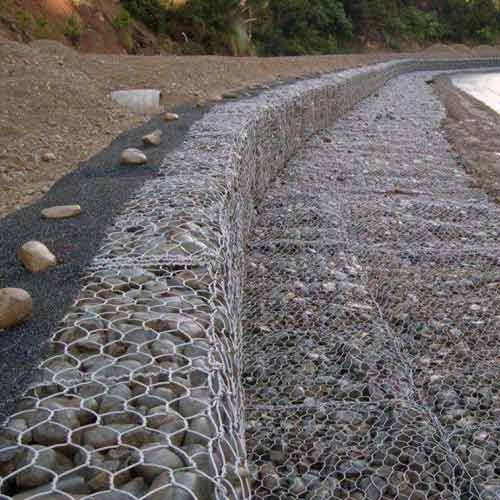
Gabion basket structures, consisting of wire mesh cages filled with stone or other materials, are versatile solutions for retaining walls, erosion control, landscape features, and noise barriers. Their successful installation and long-term performance hinge on strict adherence to several key requirements concerning site preparation, basket assembly, filling, and foundation integrity. Proper technique is essential to ensure stability, prevent bulging, and achieve the desired aesthetic.
The foundation is paramount. Gabion structures require a level, stable, and well-compacted base. For retaining walls and load-bearing applications, this typically involves excavating a trench to stable subsoil. The trench depth varies with wall height, often 6-12 inches deep for walls under 3 feet, and deeper for taller structures. The base must be perfectly level and should be filled with a compacted layer of granular material like crushed stone or gravel to facilitate drainage and prevent settling. On soft ground, geotextile fabric is laid underneath to separate the structure from the soil and prevent mixing, which could undermine stability.
Basket assembly and placement must be precise. The galvanized steel wire mesh baskets (often PVC-coated for extra durability) are delivered flat-packed. They are assembled into box shapes by lacing the edges together with spiral binders or lacing wire, following the manufacturer's specifications. It is critical to pull all connections tight to ensure a rigid box. Baskets are then placed on the prepared foundation in the designed configuration. For walls, they are typically stacked in a stepped-back batter (slightly leaning into the retained earth) for added stability. Adjacent baskets must be securely tied together at all contact points—faces, tops, and sides—to form a monolithic structure.
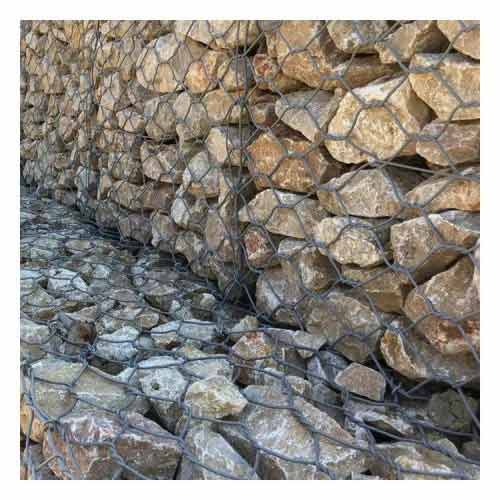
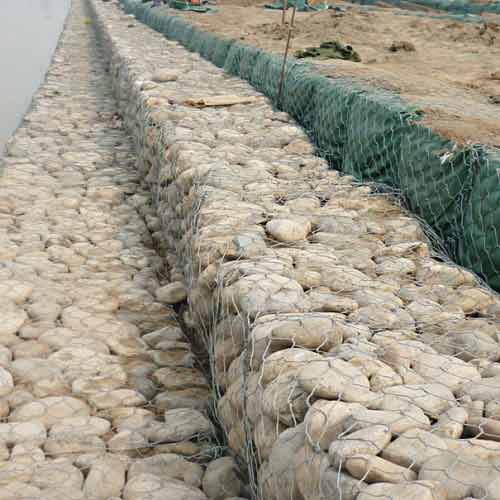
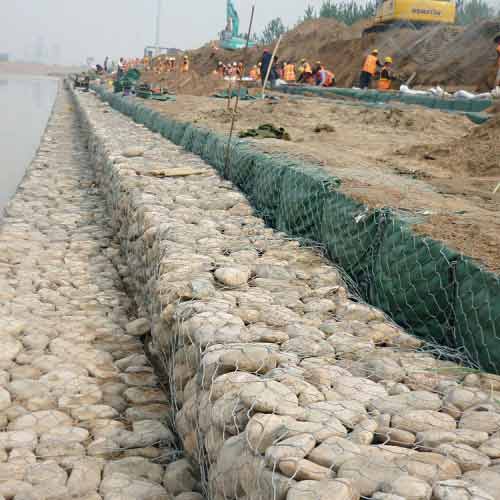
The filling process is methodical and crucial. Only clean, hard, durable, and drainable stone should be used, sized between 4 to 8 inches, typically larger than the mesh openings. Filling is done in 1/3 lifts per basket. For each lift, stones are hand-placed to minimize voids, with the flattest stones oriented toward the visible face for a neat appearance. After each lift, internal tie wires (diaphragms) are installed if specified, connecting the front and back faces to prevent bulging under pressure. Once a lift is complete, the basket lid is left open until the next basket layer is placed and tied on top, ensuring interlocking between layers.
Drainage and finishing are final but vital steps. Gabion walls must have effective drainage behind them to prevent hydrostatic pressure build-up from retained water, which could cause failure. This is achieved by installing a perforated drainage pipe at the base backfilled with gravel. The backfill against the gabion structure should also be free-draining granular material. After all baskets are filled and closed, any loose wires are trimmed, and the structure is inspected for uniformity. Over time, vegetation may grow in the voids, further enhancing the structure's integration with the landscape and ecological value.
-
2026-03-13Blending structural utility with aesthetic innovation, the gabion basket bench transforms raw engineering into inviting outdoor furniture. By filling wire cages—typically made of galvanized or PVC-coated steel—with local stone, gravel, or recycled glass, designers create durable, permeab
-
2026-03-12Welded wire gabion represents a sophisticated earth retention and construction solution that combines the structural strength of steel wire with the aesthetic flexibility of natural stone fill, creating installations that are as beautiful as they are functional. Unlike traditional rock ret
-
2026-03-11Modern landscape design often seeks to blend structural utility with natural aesthetics, and gardens gabion baskets have emerged as a perfect medium for this fusion. These wire containers, filled with rocks, stones, or recycled materials, offer a versatile solution for building retaining w